
When Memory Becomes Space: How the Final Moment Builds an Inner World
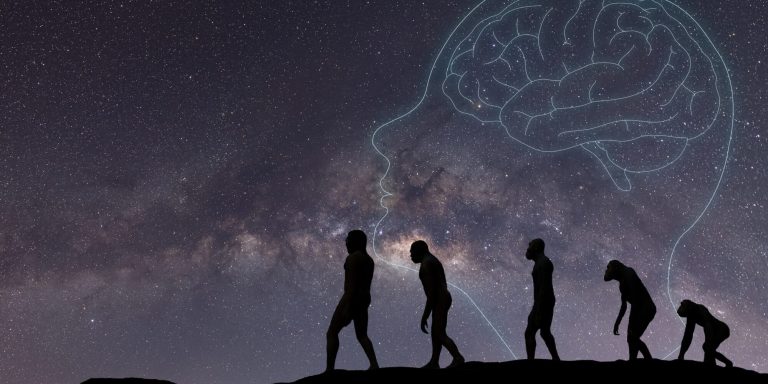
We often think of memory as something we possess — a collection of images, events, and stories stored somewhere in the mind.
But neuroscience suggests something far more unsettling:
Memory is not an archive.
Memory is an environment.
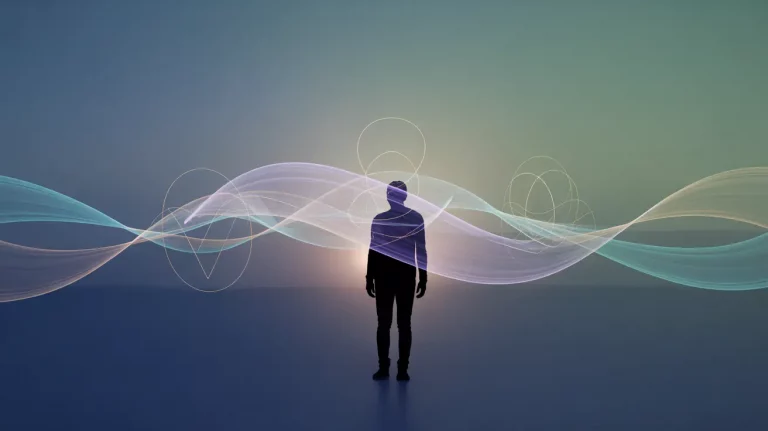
It shapes how we perceive reality, how we feel the present, and how we imagine the future. And in the final moment of consciousness — when time collapses — memory may stop being recalled and start being inhabited.
This ninth step in our journey explores a decisive shift:
What if the final instant is not a replay of life, but a world constructed from it?
I. Memory Is Not a Recording — It Is a Reconstruction
The brain does not store memories like files on a hard drive.
Each time you remember something, the brain reconstructs it — blending fragments of perception, emotion, bodily sensation, and meaning. Research shows that memory is:
- dynamic
- emotionally weighted
- context-dependent
- continuously reshaped
This explains why two people remember the same event differently — and why your own memories evolve over time.
What remains stable is rarely the event itself.
What remains stable is the emotional pattern attached to it.
Memory is less about what happened…
and more about how it felt.
II. When Time Collapses, Memory Loses Sequence
As explored in the previous article, the experience of time depends on the brain’s ability to sequence events — to distinguish “before,” “now,” and “after.”
At the edge of consciousness, this sequencing can weaken or dissolve.
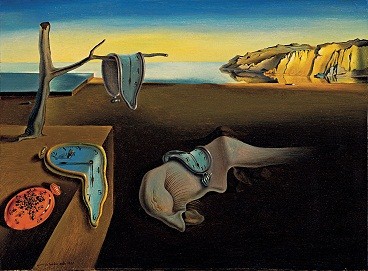
When that happens, memories no longer appear one after another. They activate simultaneously — not as a timeline, but as a field.
Joy does not follow fear.
Regret does not come after love.
They coexist.
You are not watching memories pass by.
You are inside them.
Memory stops behaving like time — and starts behaving like space.
III. The Brain Already Knows How to Build Inner Worlds
This idea may sound abstract — until we realize the brain does this routinely.
Dreams are not stories.
They are environments.
In dreams:
- places merge
- people transform
- time loses coherence
- emotion defines reality
The brain constructs entire worlds from memory fragments, guided by feeling rather than logic.
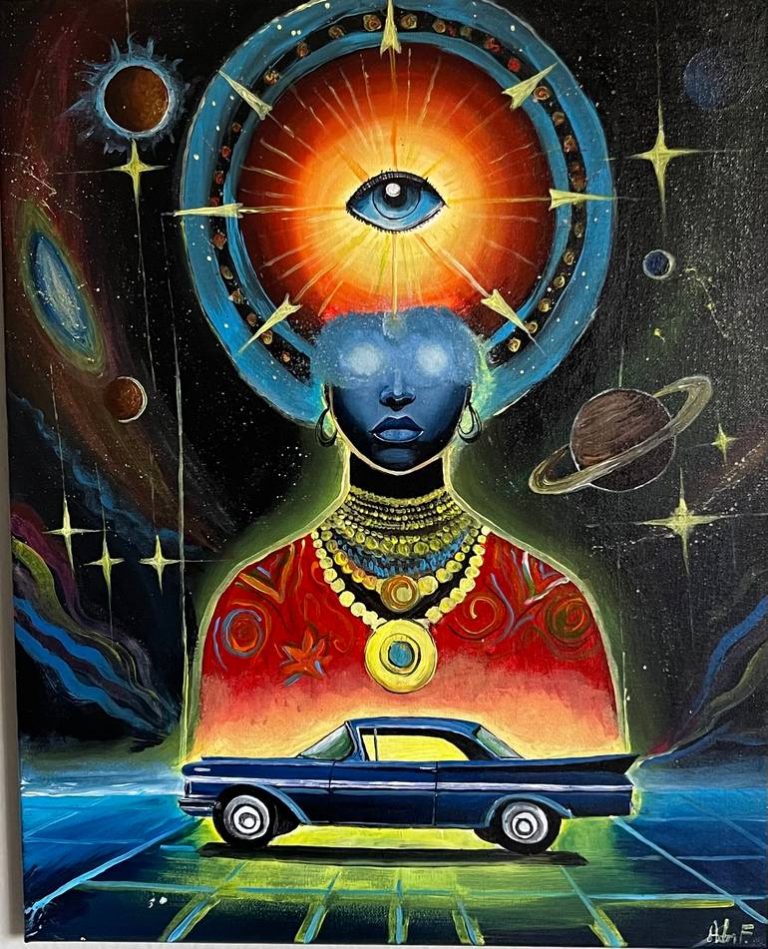
Near-death states may activate a similar mechanism — but without the constraints of waking reality. Memory networks integrate globally, often involving systems associated with autobiographical identity.
The result is not confusion.
It is immersion.
IV. Why the Final Inner World Feels More Real Than Reality
Many people who report near-death or life-review experiences say something striking:
“It felt more real than real.”
This does not mean the experience was external or supernatural.
It means that external sensory input had faded — and the brain redirected all processing inward. Memory, emotion, and identity received full attention.
No distractions.
No resistance.
No comparison.
Reality became pure meaning.
And meaning, when unfiltered, feels absolute.
V. The Architecture of the Inner World
If memory becomes space, then emotional patterns become structure.
Repeated emotional states act like architects over a lifetime:
- Gratitude opens space
- Fear narrows it
- Compassion softens boundaries
- Regret creates loops
The final inner world is not built from isolated moments.
It is built from patterns practiced repeatedly.
This is why the final moment is not judgment.
It is revelation.
The mind does not ask who you were once.
It reveals who you became through repetition.
VI. Why This Changes Life — Not Death
This understanding does not point toward fear.
It points toward responsibility.
Every moment you live leaves a trace.
Every emotion you reinforce strengthens a pathway.
Every awareness reshapes the inner terrain.
You are not preparing for an afterlife.
You are constructing an inner world you may one day inhabit completely — without time, without escape, without distraction.
This is not meant to frighten.
It is meant to empower.
Because architecture can be reshaped — while you are alive.
Conclusion: The Ninth Step Forward
Article 9 clarifies the mechanism:
- Memory is not passive
- Time collapse turns memory into space
- Emotion becomes structure
- The final moment becomes an inner world
- And that world reflects the life lived
Next, we move deeper.
The following article will explore emotional patterns — why repetition matters more than events, and how unresolved inner dynamics may echo endlessly in the timeless instant.
Not to predict death.
But to understand life — knowing what it quietly builds.